Quick ViewAt a Glance
For logistics, mining, and distribution fleets in Zambia, controlling operational costs and ensuring vehicle reliability are critical for profitability. The Zambian road network, combined with long distances and challenging terrain, places immense stress on commercial vehicles. Unplanned downtime, high fuel consumption, and premature tyre wear can quickly erode profit margins. Implementing a comprehensive commercial fleet management system that includes real-time GPS tracking, telematics, and scheduled preventative maintenance is the most effective way to overcome these challenges. To protect your assets and reduce your fleet’s operating costs, consult the B2B fleet management experts at Carbon365 Zambia today.
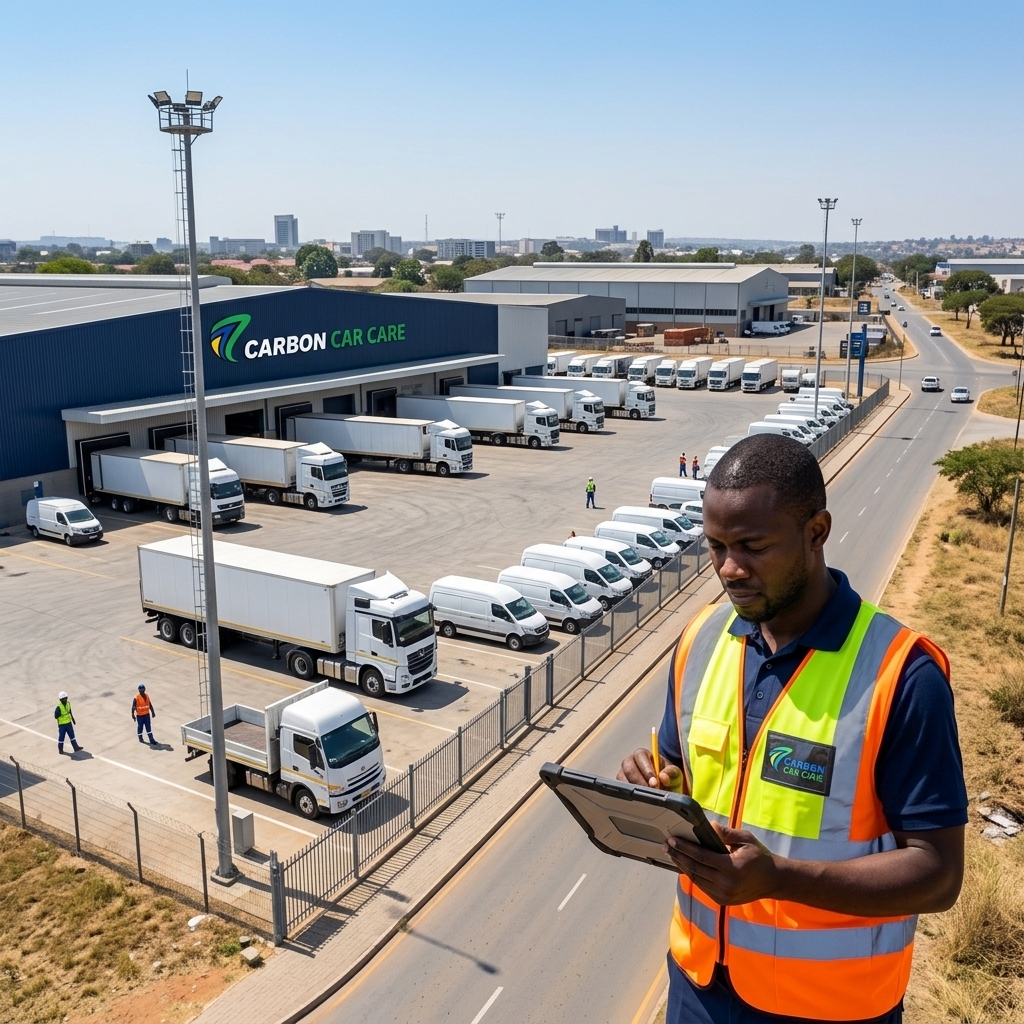
Managing a commercial fleet in Zambia presents unique challenges. From the mining hubs of the Copperbelt to the distribution centers in Lusaka and Ndola, fleet operators must navigate vast distances, unpredictable road conditions, and volatile fuel prices. Whether your fleet consists of heavy-duty trucks transporting copper, delivery vans navigating urban traffic, or 4x4s servicing remote areas, efficiency is paramount.
Without proper oversight, commercial fleets are vulnerable to unauthorized use, fuel theft, inefficient routing, and neglected maintenance. These issues not only increase operating costs but also reduce the lifespan of your vehicles and increase the risk of accidents.
This is where professional commercial fleet management Zambia solutions come in. In this guide, we will explore how adopting a structured approach to fleet management, leveraging telematics, and prioritizing scheduled maintenance can optimize your fleet’s efficiency and boost your bottom line.
Overcoming Zambian Logistics Challenges
Operating a fleet in Zambia involves navigating several significant hurdles that require proactive management strategies.
Fuel Costs and Inefficiency
Fuel is typically the largest variable expense for any fleet. In Zambia, fluctuating fuel prices and long transit routes make fuel efficiency a top priority. Inefficient driving habits (like excessive idling, harsh acceleration, and speeding) and unauthorized vehicle use significantly inflate fuel consumption.
Infrastructure and Vehicle Wear
Zambia’s infrastructure includes both excellent highways and challenging, pothole-riddled secondary roads. Constant vibration and impacts take a severe toll on suspension components, wheel alignment, and tyres. Without regular maintenance, vehicles suffer from premature wear and frequent breakdowns, leading to costly delays and missed deliveries.
Security and Cargo Theft
Cargo theft and unauthorized route deviations are persistent risks in the logistics sector. Ensuring the security of both the vehicle and its payload is critical, especially on long-haul routes crossing borders or traversing remote areas.
The Power of Real-Time GPS Tracking & Telematics
The foundation of modern fleet management is visibility. You cannot manage what you cannot measure.
What is Fleet Telematics?
Telematics combines GPS technology with on-board diagnostics to record and transmit data about a vehicle’s location, speed, fuel usage, and driver behavior in real-time. This data is fed into a centralized dashboard, giving fleet managers total control over their assets.
Benefits of GPS Tracking in Zambia
- Real-Time Location Monitoring: Know exactly where your trucks are at any given moment. This improves dispatch efficiency, allows for accurate delivery ETAs, and helps recover stolen vehicles.
- Route Optimization: Analyze historical trip data to identify the most efficient routes, avoiding known congestion hotspots or severely damaged roads, thereby saving time and reducing fuel consumption.
- Driver Behavior Analytics: Monitor harsh braking, rapid acceleration, and speeding. By addressing these behaviors, fleets can reduce fuel usage by up to 15% and significantly lower the risk of accidents and wear on brakes and tyres.
- Geofencing: Set virtual boundaries. Receive instant alerts if a vehicle leaves a designated route or operational zone, preventing unauthorized use and moonlighting.
Lowering Fleet Costs Through Scheduled Maintenance
While telematics provides the data, preventative maintenance ensures the vehicles stay on the road. A reactive approach—waiting for a breakdown to occur before fixing it—is always more expensive than preventative care.
Preventative Maintenance Schedules
A structured maintenance program tracks vehicle mileage and engine hours to schedule servicing before components fail. This includes regular oil changes, filter replacements, brake inspections, and fluid top-ups.
Tyre Management and Alignment
Tyres are a massive expense for commercial fleets. Driving on under-inflated tyres or with misaligned suspension drastically reduces tyre lifespan and increases rolling resistance (which burns more fuel). Regular truck tracking Zambia and 3D laser wheel alignment checks are essential. Properly aligned commercial vehicles handle better, consume less fuel, and maximize the return on investment for every tyre purchased.
Get a Fleet Management Consultation in Lusaka
Optimizing your commercial fleet requires a combination of smart technology, proactive maintenance, and expert support. At Carbon365 Zambia, we understand the unique demands placed on commercial vehicles in the region. We offer comprehensive fleet maintenance solutions tailored to your specific operational needs, helping you reduce downtime, cut fuel costs, and extend the lifespan of your assets.
Take control of your fleet’s efficiency and profitability. Contact our B2B team to discuss your fleet management requirements.
Frequently Asked Questions (FAQ)
1. How much can telematics really save my fleet on fuel?
By monitoring and correcting inefficient driver behaviors (like extended idling and speeding) and optimizing routes, fleets typically see a reduction in fuel consumption of between 10% and 15%. Over an entire fleet operating in Zambia, this translates to substantial financial savings annually.
2. Does Carbon365 offer maintenance contracts for commercial fleets?
Yes. Carbon365 provides tailored B2B fleet maintenance programs. These programs include scheduled servicing, priority booking, discounted rates on premium tyres and parts, and detailed reporting to help you manage your maintenance budget effectively.
3. How does wheel alignment affect commercial truck fuel economy?
Misaligned wheels cause the tyres to drag sideways rather than roll smoothly forward. This “scrubbing” action creates significant rolling resistance, forcing the engine to work harder and consume more fuel. Regular alignment checks ensure minimal rolling resistance, improving fuel economy and extending tyre life.