Quick ViewAt a Glance
Is your car AC blowing warm air on your daily drive in Malawi? The most common causes are low refrigerant (gas) levels due to system leaks, or a thick layer of road dust/mud coating the front AC condenser, preventing heat from escaping. To troubleshoot, check if your cabin air filter is clean and if your condenser grille is free of mud. If airflow is strong but warm, you likely need a professional digital pressure test and system refill. Avoid cheap DIY aerosol refill cans, as their chemical sealants permanently clog and destroy your AC compressor.

Navigating the bustling streets of Lilongwe or driving up the winding hills of Blantyre requires your absolute focus—and a comfortable, cool vehicle cabin. During Malawi’s hot dry season or heavy seasonal rains, a reliable vehicle air conditioning (AC) system is essential to keep you cool, prevent window fogging, and shield you from dusty road conditions.
But what happens when you turn on your AC on the M1 Road, only to be greeted by a blast of warm, dusty air?
In this comprehensive guide, we will break down exactly how your car’s AC system operates, troubleshoot the most common warning signs in Malawi, explore how driving on unpaved dirt roads impacts your cooling, and explain how to safely maintain your AC for maximum reliability.
🔧 Behind the Dashboard: How Your Car’s AC Actually Works
Your car’s AC does not actually “create” cold air. Instead, it acts as a heat extraction system. It takes the warm, humid air inside your vehicle’s cabin, removes the heat, and blows the recirculated, chilled air back to your face.
To run this continuous thermodynamic cycle, a pressurized liquid called refrigerant (commonly known as AC gas or R134a) flows through four primary components:
1. The Compressor: The pump of the system. Powered by your engine’s drive belt, it compresses low-pressure refrigerant gas into a highly pressurized, hot gas.
2. The Condenser: Located at the very front of your car, right behind the radiator grille. It cools the hot gas down by blowing outside air across its metallic coils, condensing it into a high-pressure liquid.
3. The Expansion Valve: Regulates the flow of the pressurized liquid into the evaporator, instantly dropping its pressure and turning it into a freezing-cold mist.
4. The Evaporator: Positioned deep under your dashboard. Your cabin fan blows warm air across these ice-cold evaporator coils. The refrigerant inside absorbs the cabin heat, leaving the air freezing cold as it enters your vents. The warmed refrigerant then cycles back to the compressor to restart the loop.
🇲🇼 The Malawi Factor: How Unpaved Roads and Grime Clog Your Condenser
Operating a car in Malawi exposes your air conditioner to specific environmental stresses, particularly during the transition between the dusty dry season and the muddy wet season.
1. The Condenser Clogging Hazard (Dirt Roads & Tracks)
Whether you are commuting between Lilongwe and Blantyre or driving rural routes, you will inevitably navigate unpaved dirt roads. Driving behind other vehicles kicks up a massive cloud of fine dust. During the rainy season, this dust turns into thick mud splashing up from the road.
Since the AC condenser is mounted directly in front of the engine radiator, it takes the brunt of this road debris:
- A layer of fine dust or baked-on mud acts as an insulating blanket, completely blocking the condenser from releasing heat.
- If the condenser cannot release heat, the refrigerant remains a hot gas instead of condensing into a liquid.
- As a result, your AC blows completely warm air, and the excessive pressure can trigger a safety pressure switch, shutting the system down or causing your engine to overheat.
2. Blower Strain & Pollen
Malawi’s rich vegetation and seasonal dry winds mean high levels of airborne pollen, leaf debris, and heavy dust enter your vehicle’s air intake. This debris collects on the cabin air filter behind your glovebox, gradually strangling your vents until you can barely feel any air blowing on the highest fan speed.
🔍 Spotting the Signs: Car AC Troubleshooting Checklist
Pay close attention to how your AC behaves when it starts giving trouble. Here is a helpful checklist to narrow down the problem:
⚠️ The Dangers of Cheap DIY Aerosol “Re-gas” Kits
If your AC blows warm, you might be tempted to purchase a quick-fix aerosol “DIY re-gas” can from a local automotive spare parts market. This is a highly risky shortcut that frequently leads to permanent compressor damage.
Here is why a professional workshop visit is critical:
- Corrosive Acid Risk: An AC system must be completely vacuum-sealed to pull out air and moisture before refilling. If you inject gas without pulling a deep vacuum, trapped moisture mixes with the refrigerant, forming highly corrosive acid that eats through your aluminum components from the inside out.
- The “Leak Stop” Trap: Many DIY cans contain sticky chemical sealants designed to plug tiny leaks. Once inside your system, these sealants react with moisture to form a thick, glue-like sludge. This sludge permanently clogs the delicate expansion valve and completely seizes your AC compressor, turning a cheap repair into a very expensive overhaul.
- Blowing Out Seals: Modern car AC systems hold a very precise weight of gas. DIY pressure gauges are highly inaccurate. Overcharging the system creates excessive pressure that can blow out rubber O-rings or crack your compressor casing.
💰 Car AC Service & Refill Price Guide in Malawi (2026)
To help you budget, here are the estimated costs for certified, professional AC services in Malawi:
1. Digital Diagnostic & Pressure Test: MWK 25,000 – MWK 40,000
2. Professional AC Refill (Re-gas – Evacuate, Vacuum & Recharge): MWK 75,000 – MWK 110,000
3. Cabin Air Filter Replacement: MWK 15,000 – MWK 35,000 (Depending on car model)
4. Anti-Bacterial Evaporator Flush: MWK 35,000 – MWK 60,000
5. Major Compressor Overhaul/Replacement: MWK 350,000+ (Varies by vehicle make)
💡 Proactive Maintenance Tips for Malawian Drivers
Keep your car AC running icy cold all year round with these simple habits:
- Change Your Cabin Filter Every 10,000 km: Given Malawi’s dusty dry seasons, inspect your cabin air filter regularly. A clean filter keeps airflow strong and protects your blower motor.
- Gently Wash Your Front Condenser Grille: When washing your vehicle after a dusty or muddy road trip, gently spray water through the front bumper grille to rinse away caked dirt and mud from the condenser fins. Do not use high-pressure sprayers directly on the soft metal fins, as they can bend easily.
- Run Your AC at Least Once a Week: Even during cooler winter months, turn your AC onto full cold for 10 minutes once a week. This keeps the internal seals lubricated and prevents refrigerant leaks.
- Vent Cabin Heat First: If your car has been parked under the hot sun, drive for a minute with the windows down and the fan on high to push the superheated air out. Once vented, roll the windows up and turn on the AC. This dramatically reduces compressor wear.
🙋 Frequently Asked Questions (FAQ)
1. Does car AC gas naturally run out over time?
No. A car’s air conditioning system is a permanently sealed closed loop. If you are low on AC gas, it means there is a physical leak in the system. Re-gassing a leaking system without repairing the leak first is a temporary fix—the new gas will simply leak out again.
2. Can I get rid of the musty AC smell by spraying disinfectant into the vents?
No. Disinfectant or perfume only masks the odor. The musty smell comes from mold growing on the damp evaporator coil behind your dashboard. It requires a professional anti-bacterial foam flush to kill the bacteria at its source.
3. Why does my engine temperature rise when I turn the AC on in traffic?
Operating the AC places extra mechanical load on the engine and releases massive heat directly in front of your engine radiator through the AC condenser. If your radiator fan is weak, your coolant is low, or your condenser is caked with mud, your car will struggle to stay cool, causing the engine temperature to spike.
4. Where is the best place to get my car AC repaired in Lilongwe or Blantyre?
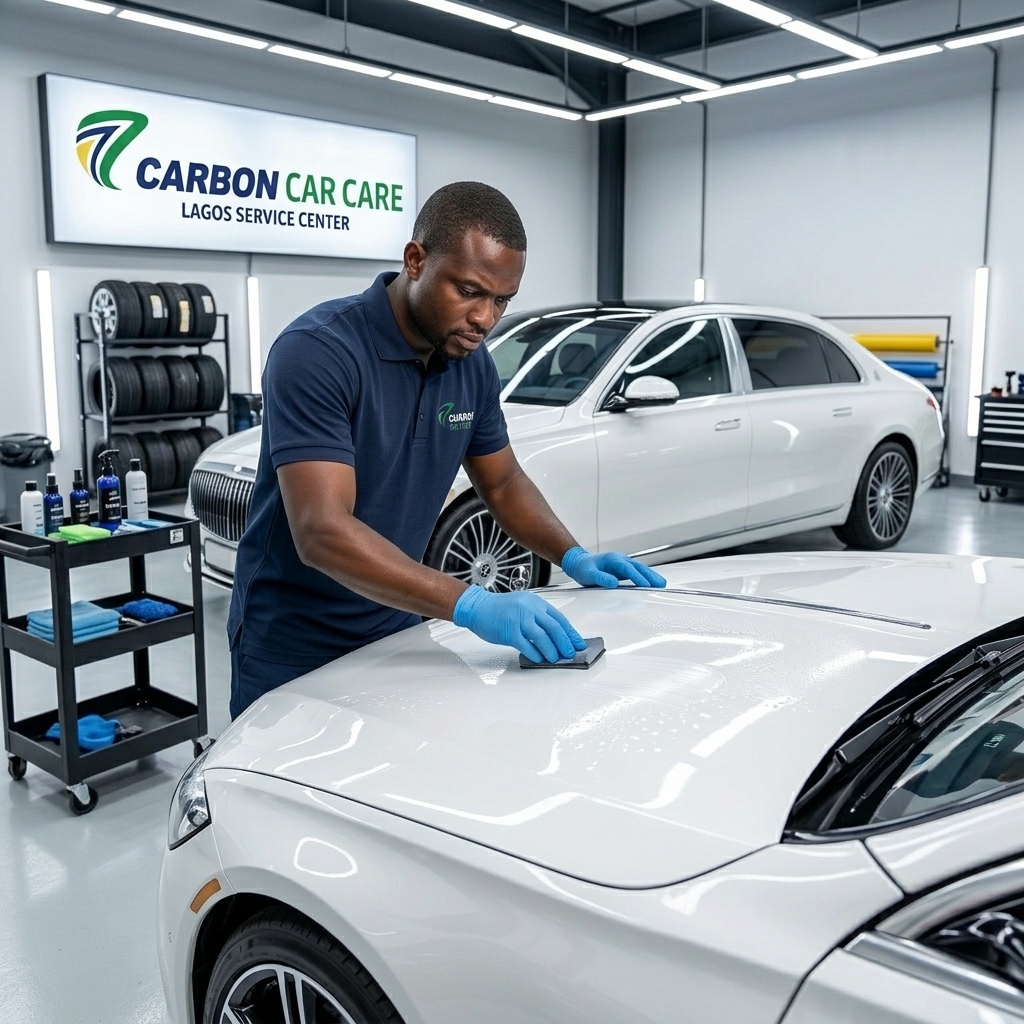
For high-accuracy pressure diagnostics, leak checks, and precise refrigerant refills, visit the Carbon365 Premium Car Care Center in Lilongwe and Blantyre (available at certified Mobil 1 Quick Service partner locations). Our certified technicians use professional recovery stations to safely vacuum and recharge your AC system to factory specifications.
Don’t sweat it out on the road. Drive cool and breathe clean air by booking your professional AC check at Carbon365 Malawi today!